
You need a front cover and clear headings in the document.
Keep a record of the internet sources you use.

Have you identified a fake news story which has had a negative impact on a business?
For example:


Structure of the briefing paper:
Front cover sheet.

Use this heading:
'A fake news story.'
This is your comparison of the fake news website and the website which proves that the information was false.
Use screenshots or the snipping tool to include pictures from the websites.
What is the fake news story? Which web site featured the story?
Anti fake news story. Compare information on the story from at least one different website. Which website did you use?
What differences can you identify?
Give an example of correct (relevant) information about the company against false (irrelevant) information.
Draw valid conclusions about the differences between the websites.
Use this heading:
'Assess reliability of information considering aspects such as source, writers qualifications and bias'.

What should you be looking for when making a judgement about the credibility of a website?
Is the writer named?
Does the writer claim particular qualifications?
Is there obvious bias demonstrated?
AC 1.1
Use this heading:
'Select and use different search engines for different purposes'.
Google is not the only search engine or type of search engine.
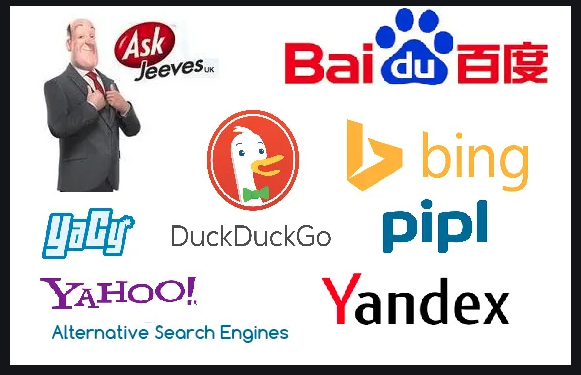
Explain that some sources of internet
information (including some search engines) are more appropriate than others
depending on the purpose of the search.
Which websites would you be suspicious about when trying to access information?

Explain why.
Which websites would you trust and why? More here.
Explain that different search engines may be more appropriate depending on the purpose of the search. Details here.
Section 4: Explain how to make an assessment about how reliable
information is from a particular source.
Use this heading:
'Evaluate information based on content rather than animation or graphics'.
Explain how some people may be more influenced
by graphics, animation or pictures than the written content of the web page.

This link shows some of the things that web designers do to increase the length of time people stay on a website. Details here.
AC 2.4
Use this heading:
'Identify whether a source is primary or secondary and explain why this matters.
Explain that the correct information from the company is
primary information and the incorrect information is secondary information.


Explain why
this matters.
A company would be unlikely to make false claims about its products because of the reputational damage that would be caused.
A company would be unlikely to make false claims about its products because of the reputational damage that would be caused.
AC 3.1 Bibliography


